Cogito, ergo
The inner child is born from the depths of the subconscious, from the very core of human nature. Con- sciousness remains oblivious to this aspect, as it lies beyond the reach of our awareness. The inner child represents the most powerful impulse within all existence, striving to under- stand itself. This drive to self-under- standing is a natural law and thus possesses unparalleled power.
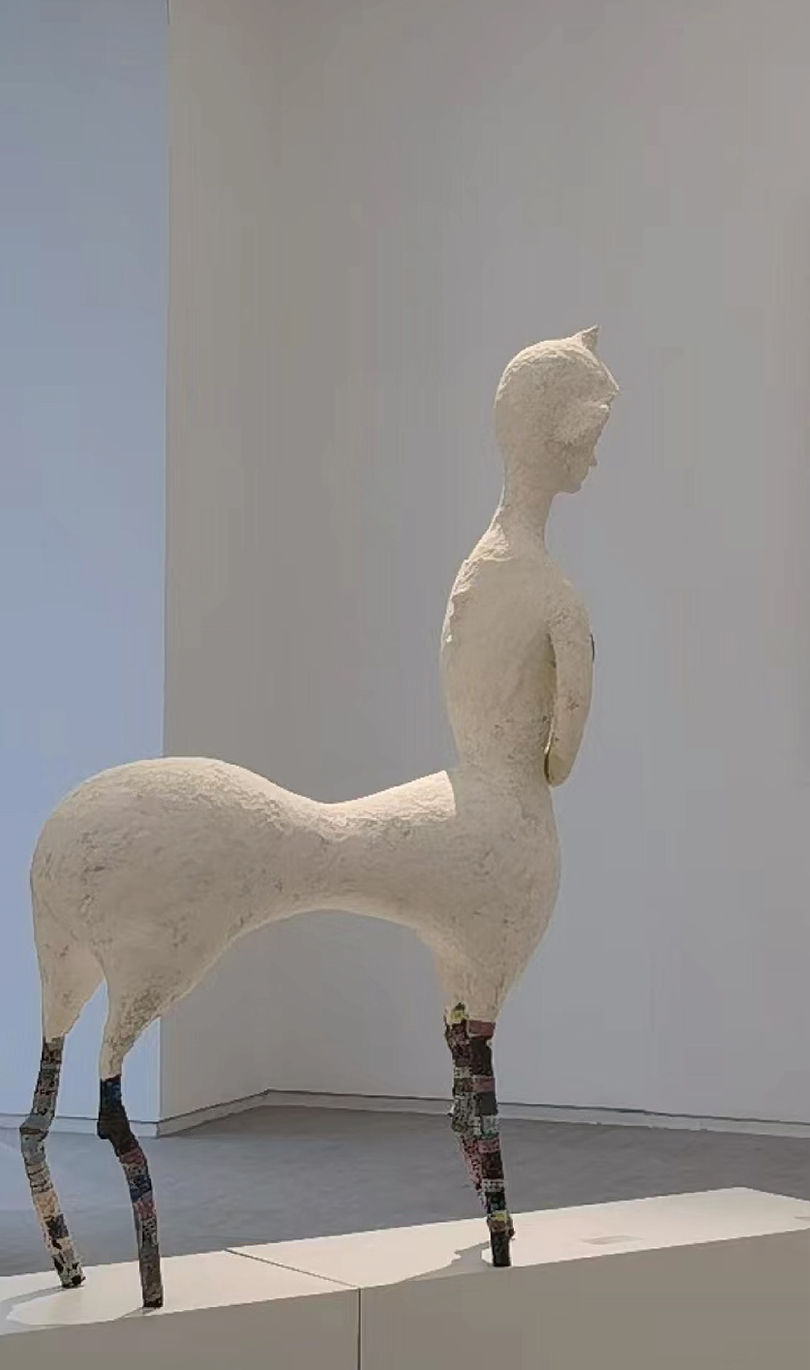
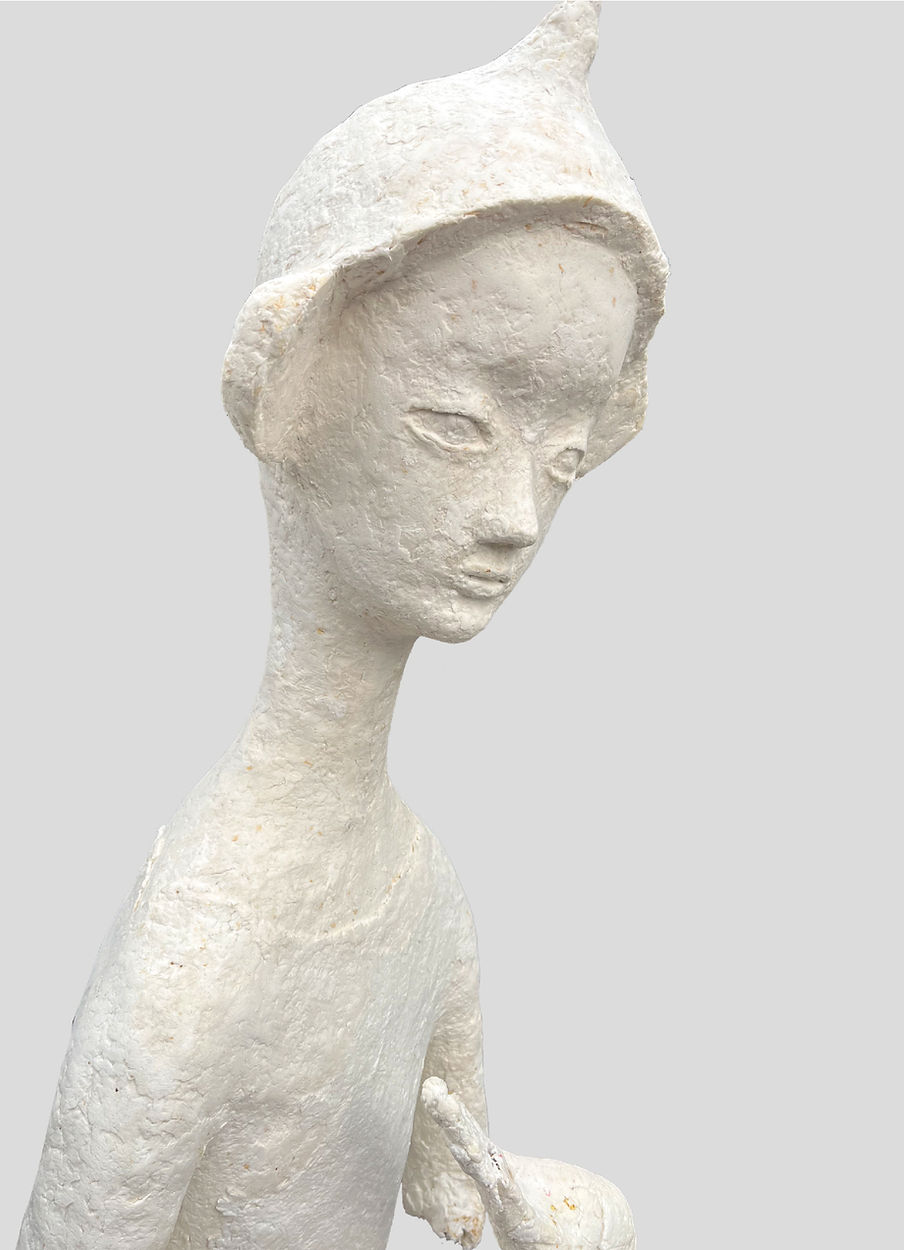
The Unbearable Lightness of Being In the series of sculptural installa-
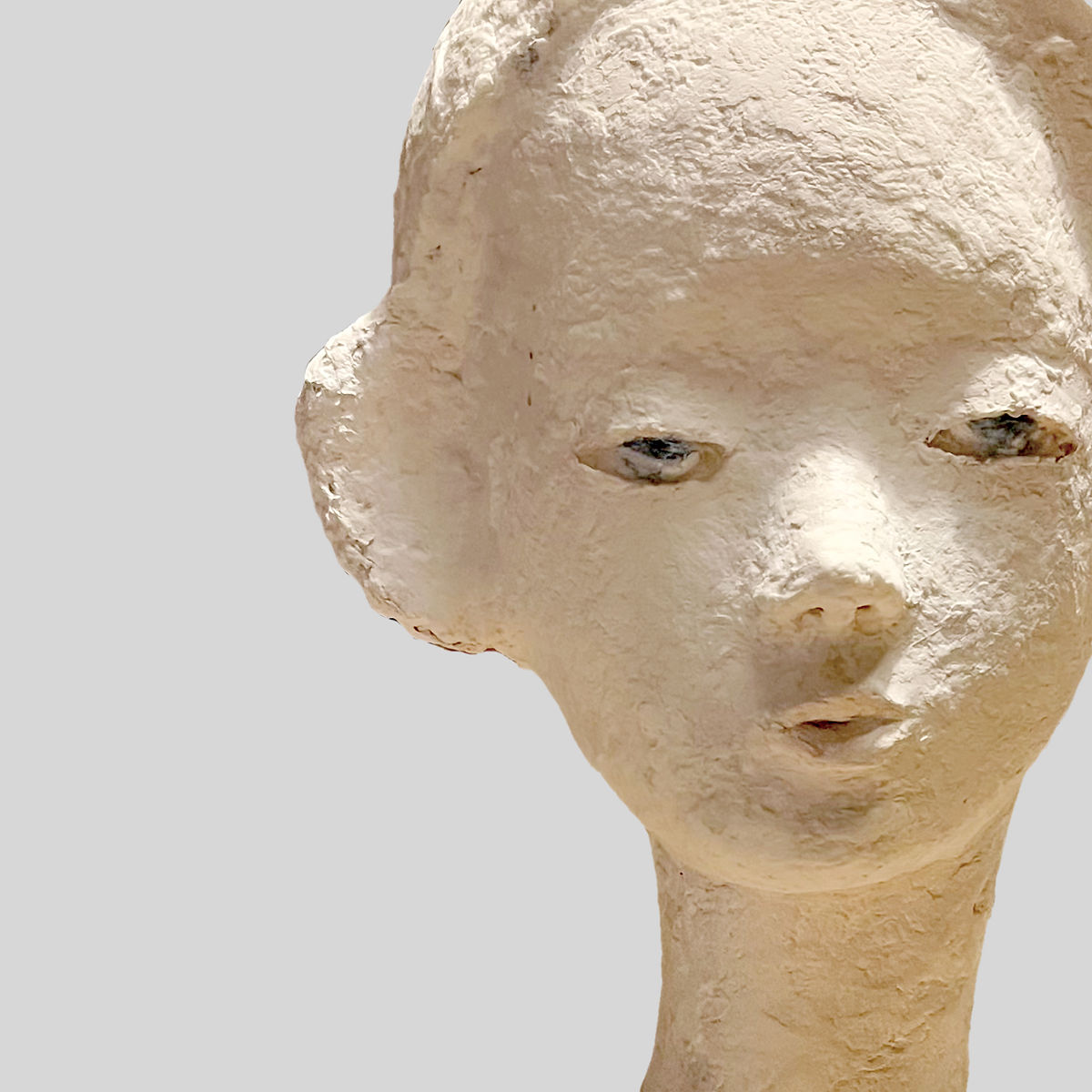
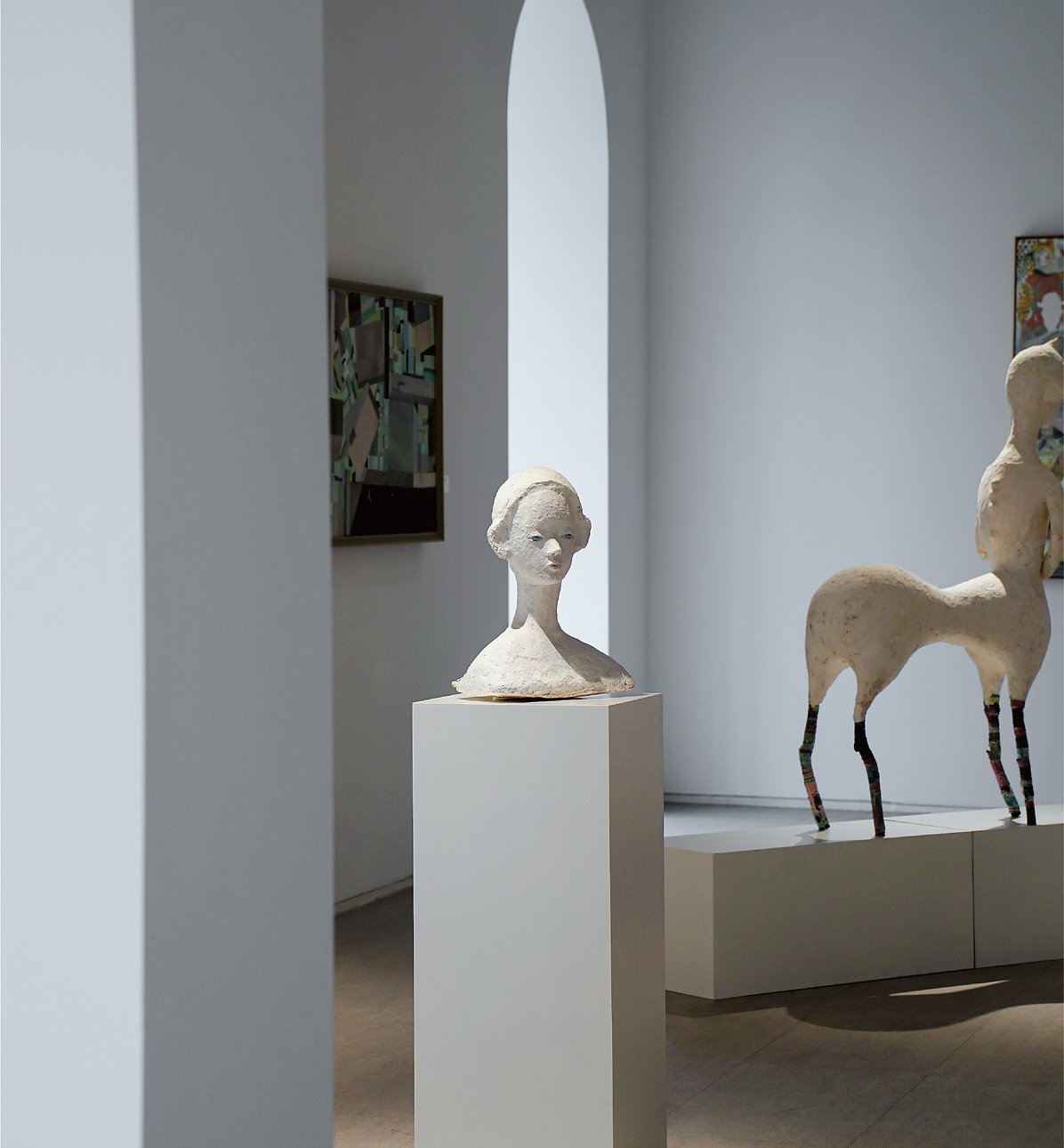
tions titled "The Unbearable Light- ness of Being" by Lin Hongjun, a girl gazes into the distance, dreaming of a bright future. Her eyes, however, reveal an indescribable and poignant melancholy. She attempts to spread powerless; life is so beautiful, yet so transient and fragile. This is the fundamental human condition of "the unbearable lightness of being."
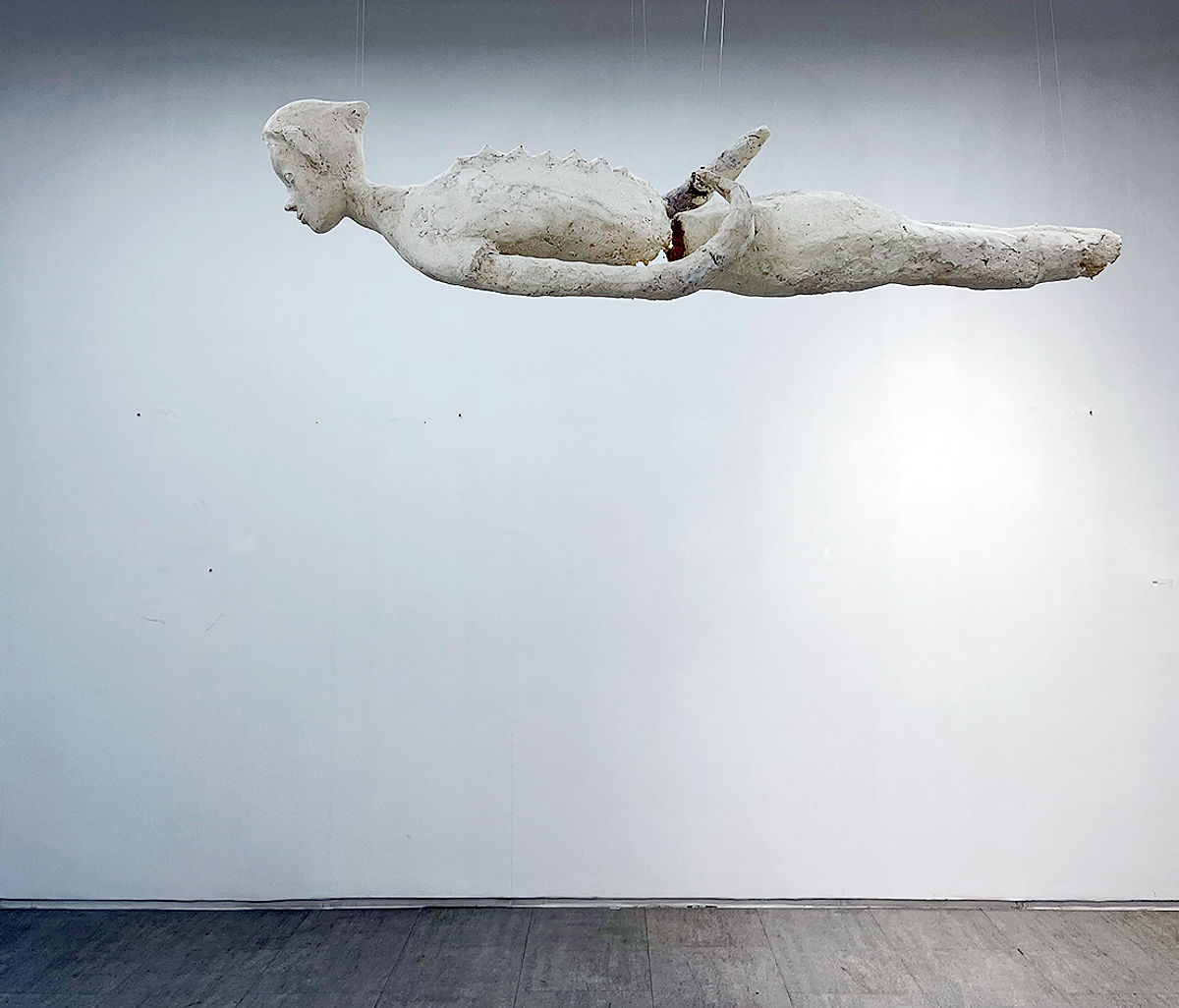
The moment of Icarus's fall
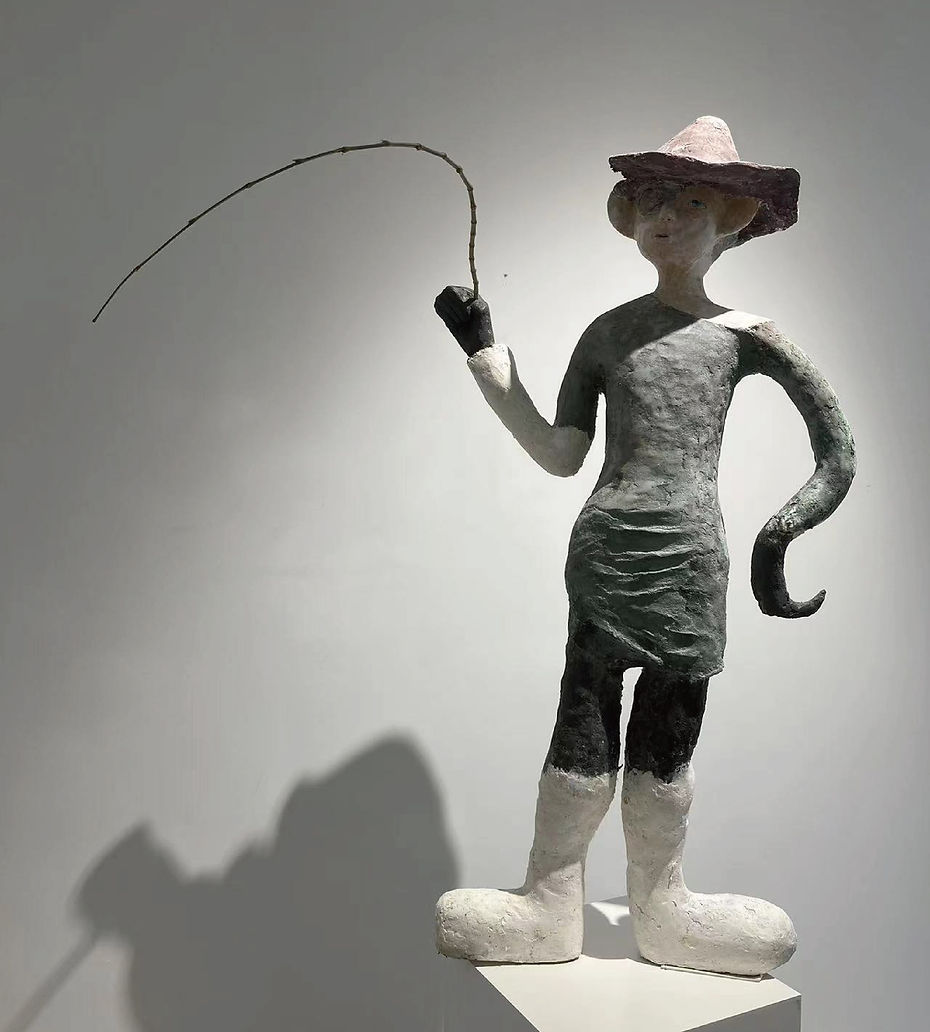
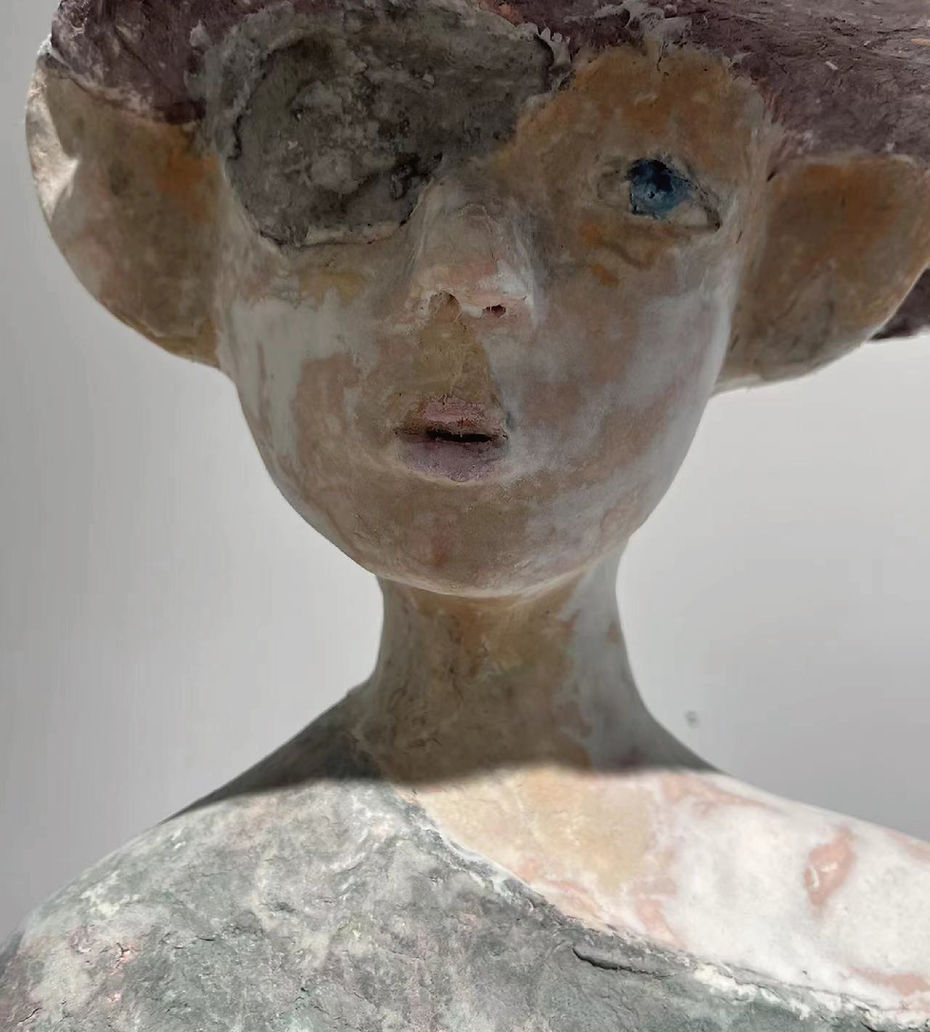
The expression on Icarus's face, having lost his wings, is frozen between ecstatic joy and sudden, unanticipated despair. His eyes, too, convey an indescribable and poignant melancholy. He attempts to spread his wings and fragile. This is the fundamental human condition of "the unbearable lightness of being."